Finasteride is a prescription tablet that blocks the conversion of testosterone into dihydrotestosterone (DHT), the hormone that shrinks hair follicles in male pattern baldness. At 1 mg a day it stops hair loss in most men and regrows some hair in many [1,2]. In Switzerland it is prescription-only and is not covered by basic health insurance when used for hair loss.
In short: Finasteride is the most effective medication for male pattern hair loss, but it is not trivial. Side effects are uncommon, yet sexual and mood effects are real and should be discussed openly with a doctor before you start.
How finasteride works
Male pattern baldness (androgenetic alopecia) is caused by follicles that are genetically sensitive to DHT. Over years, DHT makes these follicles smaller until they produce only fine, short hair or none at all.
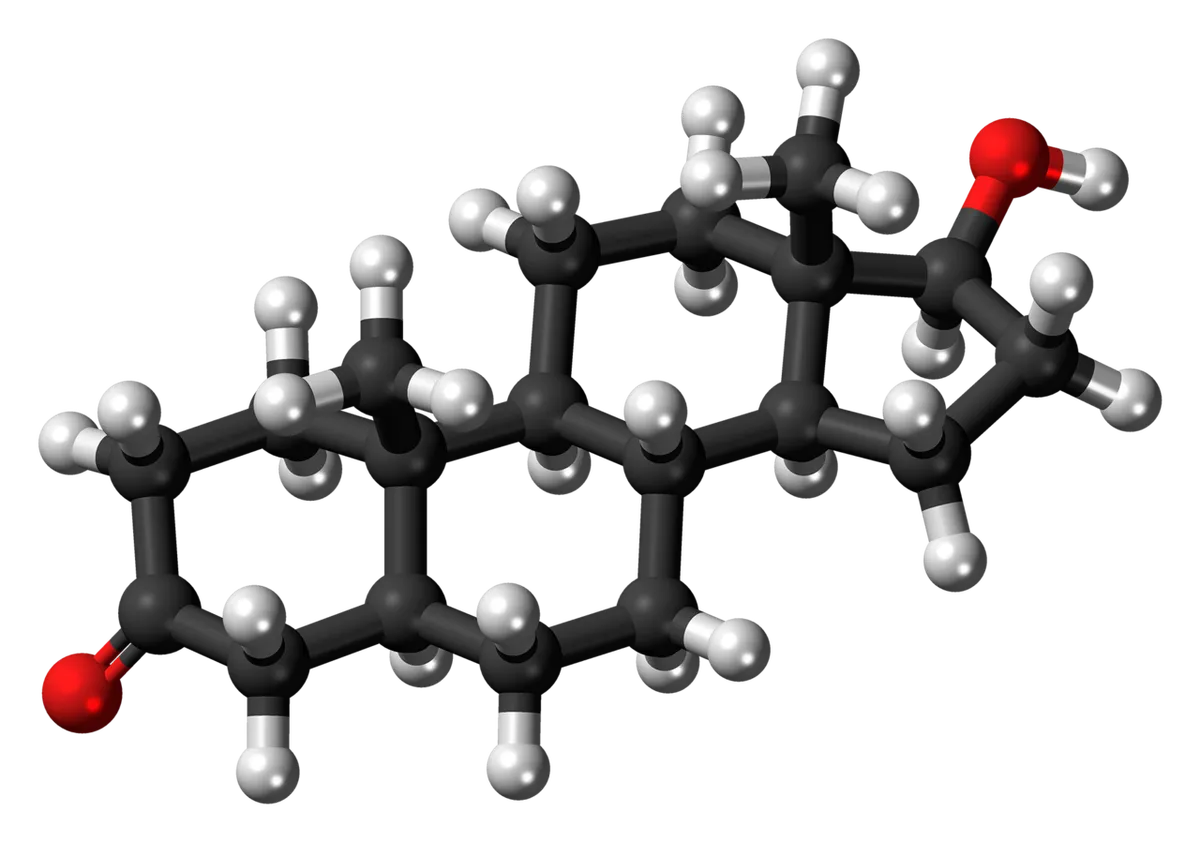
Finasteride inhibits the enzyme 5-alpha reductase type 2, which converts testosterone into DHT. At the 1 mg dose, it lowers DHT levels in the blood and scalp substantially. With less DHT, follicles stop shrinking and some recover.
It does not work on hair loss with other causes, such as alopecia areata, iron deficiency or telogen effluvium. A proper diagnosis comes first; see our overview of hair loss causes.
Prescription and use in Switzerland
- Brand and generics: Propecia and several generics contain 1 mg finasteride. The 5 mg dose (Proscar and generics) is for an enlarged prostate.
- Prescription: you need a prescription from a GP or dermatologist. If your insurance plan has a GP or telemedicine model, contact your gatekeeper first before seeing a specialist.
- Dose: one 1 mg tablet a day, with or without food.
- Women: finasteride is not approved for women. It must not be taken by women who are or could become pregnant.
How well does it work?
| Time on finasteride | What to expect |
|---|---|
| 3 months | Hair loss slows; little visible change |
| 6 months | Many men notice less shedding and slightly thicker hair |
| 12 months | Full effect becomes visible; time to assess |
| Long term | Hair loss largely held back as long as you take it |
In the original clinical trials, the large majority of men taking finasteride kept or improved their hair over five years, while most men on placebo kept losing hair [2]. It tends to work better on the crown than on the temples, but it slows loss at the hairline too.
If you stop, the effect wears off. Within about a year, hair usually returns to where it would have been without treatment.
Side effects: the honest picture
Most men take finasteride without problems. But side effects exist and some can be significant.
Sexual side effects
- reduced libido
- erection problems
- less ejaculate volume
In trials these occurred in a small percentage of men; a meta-analysis of placebo-controlled trials found the risk of sexual dysfunction about 1.7 times higher than on placebo [3]. They usually disappear when the tablet is stopped, and sometimes while continuing.
Mood changes
The Swiss and European product information lists depression and suicidal thoughts as possible side effects [4]. In 2025 the European Medicines Agency confirmed suicidal thoughts as a side effect of finasteride tablets and added a patient card to 1 mg packs. If you notice low mood, loss of interest or any thoughts of self-harm, stop taking finasteride and contact a doctor straight away. If you have a history of depression, discuss this before starting.
Other effects
- breast tenderness or enlargement; report any lump in the breast to your doctor
- rare allergic reactions such as rash or swelling of the lips
Post-finasteride syndrome (PFS)
Some men report sexual, mental or physical symptoms that persist for months or years after stopping finasteride. This is called post-finasteride syndrome. Its cause and frequency are disputed and research is ongoing, but the product information now notes that sexual problems can persist after stopping. It is right to take these reports seriously, and equally right to note that most men tolerate the drug well. For what trials, nocebo studies and the 2025 EMA review actually found, see our guide to post-finasteride syndrome.
Expectations also matter: in a trial of men taking finasteride for an enlarged prostate, those told about sexual side effects in advance reported them about three times as often, which suggests part of the effect is a nocebo response [5]. A calm, informed decision with a doctor is better than either fear or dismissal.
Important safety points
- PSA test: finasteride lowers PSA, the blood marker used in prostate cancer screening, by roughly 40–50% [6]. Always tell your doctor you take it, so results can be interpreted correctly.
- Pregnancy: women who are or may become pregnant must not handle crushed or broken tablets. Finasteride can be absorbed through the skin and may affect the development of a male baby's genitals. Intact coated tablets are safe to touch.
- Trying for a baby: discuss with your doctor; small amounts pass into semen.
- Blood donation: blood donation services defer donors for a period after the last dose.
Topical finasteride
Topical finasteride is a solution or spray applied to the scalp. It lowers DHT in the blood less than tablets, which may mean fewer side effects, and appears to be effective in studies [4]. It is still partly absorbed, so it is not risk-free and the same warnings apply. In Switzerland it is usually prepared by a pharmacy on prescription, sometimes combined with minoxidil.
Cost in Switzerland
Finasteride for hair loss is generally not reimbursed by basic health insurance. Approximate monthly costs:
| Product | Approximate cost per month |
|---|---|
| Propecia 1 mg (brand) | CHF 50–70 |
| Generic finasteride 1 mg | CHF 20–45 |
| Topical finasteride (pharmacy preparation) | CHF 30–70 |
Add the initial consultation and follow-up visits. The consultation itself may be covered under basic insurance, subject to your deductible; see our guide to health insurance.
Finasteride and a hair transplant
A hair transplant uses follicles from the back of the head that are naturally resistant to DHT. These do not need finasteride. The surrounding native hair, however, keeps thinning if nothing is done. Without protection, a young man can end up with a transplanted hairline in front of a growing bald patch.
That is why many surgeons recommend finasteride, often combined with minoxidil, to:
- stabilise hair loss before planning a transplant
- protect the native hair after surgery
- reduce the number of grafts needed in the long run
Finasteride is usually continued through surgery, but always follow your clinic's instructions.
When a hair transplant makes sense
Finasteride stops loss; it rarely refills areas that are already bald. If your temples or crown remain thin after a year of treatment, check your stage on the Norwood scale and estimate the grafts you need with our graft calculator.
Swiss clinics can assess your hair loss, adjust medication and perform the procedure with local aftercare. Compare them in our clinic comparison or see typical prices in our cost guide.
Frequently asked questions
Does finasteride stop hair loss?
In most men, yes. In clinical trials, the large majority of men taking finasteride 1 mg kept their hair or regrew some over several years, while most men on placebo continued to lose hair. It works best when started early and only as long as it is taken.
What are the side effects of finasteride?
A small minority of men report reduced libido, erection problems or less ejaculate. Breast tenderness and mood changes, including depression, are also listed. Most side effects go away after stopping, but persistent symptoms have been reported, so discuss the risks with your doctor first.
Do I need a prescription for finasteride in Switzerland?
Yes. Finasteride 1 mg (Propecia and generics) is prescription-only in Switzerland. A GP or dermatologist can prescribe it after discussing your hair loss and medical history.
Is topical finasteride safer than tablets?
Topical finasteride lowers DHT in the blood less than tablets, which may reduce side effects, but it is still absorbed into the body. It is not free of risk, and long-term data are more limited than for tablets.
Should I take finasteride after a hair transplant?
Transplanted hair is resistant to DHT and does not need finasteride. But your remaining native hair is not, so many surgeons recommend finasteride to stop further loss around the transplant, especially in younger men.
References
Numbers in the text refer to these sources. Links go to PubMed, the publisher (DOI) or the authority.
- Adil A, Godwin M. The effectiveness of treatments for androgenetic alopecia: A systematic review and meta-analysis. J Am Acad Dermatol 2017.PubMedDOI
- Long-term (5-year) multinational experience with finasteride 1 mg in the treatment of men with androgenetic alopecia. Eur J Dermatol 2002.PubMed
- Lee S, Lee YB, Choe SJ et al. Adverse Sexual Effects of Treatment with Finasteride or Dutasteride for Male Androgenetic Alopecia: A Systematic Review and Meta-analysis. Acta Derm Venereol 2019.PubMedDOI
- Gupta AK, Venkataraman M, Talukder M et al. Finasteride for hair loss: a review. J Dermatolog Treat 2022.PubMedDOI
- Mondaini N, Gontero P, Giubilei G et al. Finasteride 5 mg and sexual side effects: how many of these are related to a nocebo phenomenon?. J Sex Med 2007.PubMedDOI
- D'Amico AV, Roehrborn CG. Effect of 1 mg/day finasteride on concentrations of serum prostate-specific antigen in men with androgenic alopecia: a randomised controlled trial. Lancet Oncol 2007.PubMedDOI
This article is for general information and does not replace medical advice. Whether a treatment is right for you can only be determined by an examination with a specialist.