For hereditary hair loss, the best-studied treatments are topical minoxidil and, in men, finasteride. Both are backed by many randomised trials and meta-analyses [2,5]. Dutasteride and oral minoxidil also have good evidence but are used off-label in Switzerland. PRP, microneedling and laser devices show benefits in studies of lower quality, while most supplements are poorly supported. For severe alopecia areata, JAK inhibitors have high-certainty evidence [20].
In short: Start with treatments that have strong evidence: minoxidil and, for men, finasteride. Add-ons such as PRP or microneedling may help, but the evidence is weaker. Be sceptical of products backed only by small or company-funded studies, and get a diagnosis first, because the right treatment depends on the type of hair loss.
This overview summarises the evidence for the main treatments. Each section links to a detailed guide. It covers mainly androgenetic alopecia (pattern hair loss), the most common type; read about other causes in our guide to hair loss.
How we rate the evidence
Not all studies are equal. We use a simple four-level scale based on the type and quality of the studies available:
| Level | Meaning | Typical sources |
|---|---|---|
| High | Several large, well-designed randomised trials with consistent results | Meta-analyses of RCTs, Cochrane reviews with high-certainty ratings |
| Moderate | Randomised trials exist but are few, small, short or inconsistent | Single RCTs, meta-analyses of small trials |
| Low | Mostly small trials with high risk of bias, or observational data | Pilot RCTs, case series, retrospective studies |
| Very low | Expert opinion, lab studies or anecdotes | Reviews without systematic methods, marketing claims |
This mirrors the GRADE approach used by Cochrane and guideline groups such as the European S3 guideline on androgenetic alopecia [1]. A network meta-analysis ranks many treatments together by combining direct and indirect comparisons [2,3]. That is useful when head-to-head trials are rare, but less reliable than direct comparisons. Our editorial policy explains how we select sources.
The evidence at a glance
| Treatment | Evidence level | What studies show | Source |
|---|---|---|---|
| Topical minoxidil (men) | High | Superior to placebo in meta-analyses; evidence comparing 2% and 5% rated high quality | [3,5] |
| Topical minoxidil (women) | Moderate | About twice as many women report moderate to marked regrowth vs placebo; 2% and 5% similar | [6] |
| Oral minoxidil (low dose) | Moderate | Similar density to topical in 4 RCTs; more facial and body hair | [7,8] |
| Finasteride 1 mg (men) | High | Superior to placebo; largest gain in terminal hairs at 48 weeks in a network meta-analysis | [2,5] |
| Finasteride (women) | Low | No better than placebo in Cochrane analysis (low-quality evidence) | [6] |
| Topical finasteride | Moderate | Better than placebo in a phase III trial; much lower blood levels | [13] |
| Dutasteride 0.5 mg | Moderate | Beat finasteride in a 917-man RCT; ranked most effective in network meta-analyses | [4,10] |
| PRP | Low to moderate | Increases density and thickness vs placebo; protocols vary | [14,15] |
| Microneedling (combined) | Low to moderate | Combined with drugs, better than either alone in 13 RCTs | [16] |
| Low-level laser (LLLT) | Low to moderate | Increases hair density vs sham; high heterogeneity | [5,17] |
| JAK inhibitors (alopecia areata) | High | 30–40% regain most scalp hair in phase 3 trials | [18,19,20] |
| Hair transplant | Low to moderate | Graft survival about 85–93% in observational studies | [21] |
| Supplements (no deficiency) | Low | Potential benefit for some products; study quality varies, larger RCTs needed | [22] |
Minoxidil: topical and oral
Topical minoxidil is one of only a few hair loss treatments recognised by regulators. A meta-analysis of good- and fair-quality RCTs found both 2% and 5% minoxidil superior to placebo in men, and 2% superior in women [5]. In a Cochrane review for women, minoxidil roughly doubled the chance of moderate to marked regrowth. There was no clear difference between 2% and 5% [6]. A network meta-analysis rated the evidence comparing minoxidil 2% and 5% as high quality, and 5% versus placebo as moderate [3].
Oral minoxidil at low doses is increasingly popular. A meta-analysis of four randomised trials found no difference in hair density compared with topical minoxidil, but hypertrichosis (unwanted hair) was about twice as frequent [7]. In a double-blind trial in men, 5 mg oral minoxidil was not superior to topical treatment overall [8]. A study of 1,404 patients found that only 1.7% stopped because of side effects [9].
More detail: minoxidil guide and oral minoxidil evidence review.
Finasteride and dutasteride
These tablets block the enzyme that converts testosterone into DHT, the hormone that shrinks hair follicles in pattern hair loss.
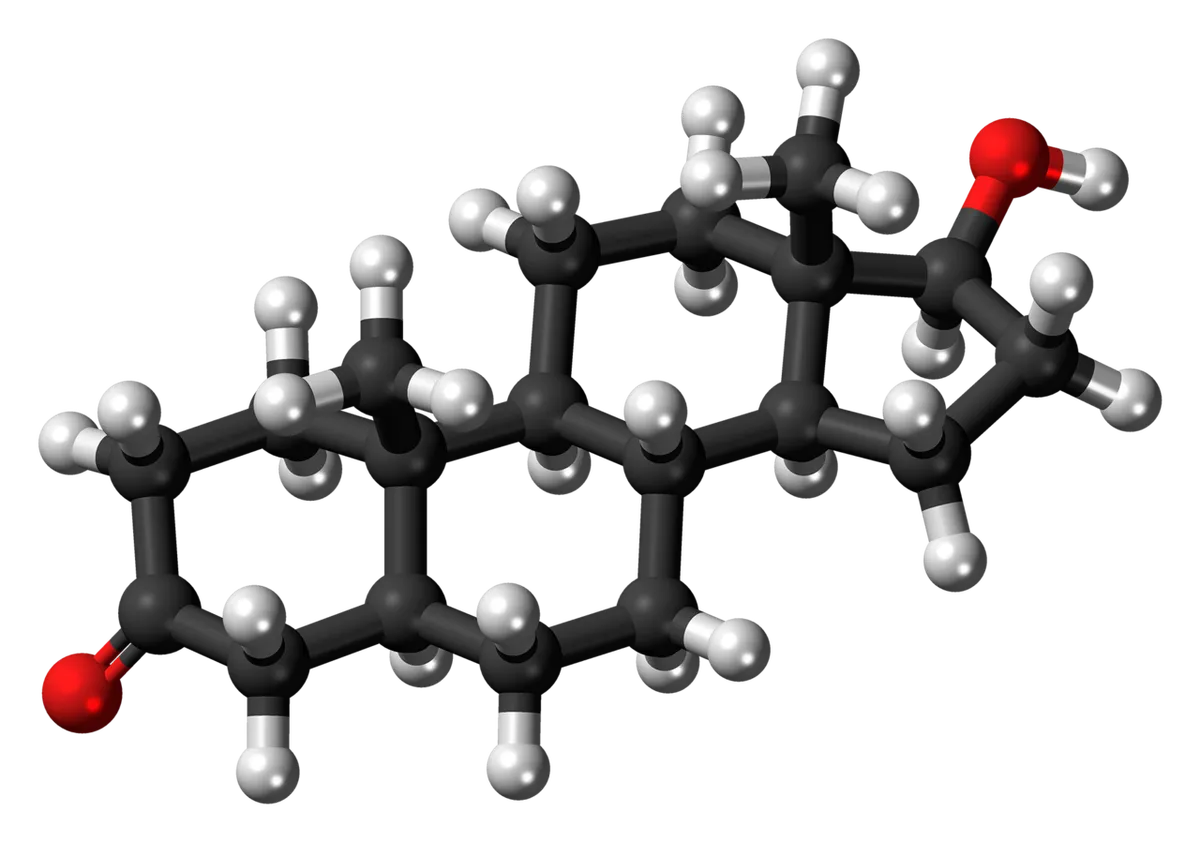
- Finasteride 1 mg: superior to placebo in meta-analyses [5]. In a network meta-analysis, it gave the greatest increase in terminal hair count at 48 weeks [2].
- Dutasteride 0.5 mg: blocks both forms of the enzyme. In an RCT of 917 men, it increased hair count and hair width more than finasteride at 24 weeks, with similar side effects [10]. Network meta-analyses rank it the most effective monotherapy [4]. It is not licensed for hair loss in Switzerland.
- Topical finasteride: a phase III trial of 458 men showed significantly more hair than placebo. Blood levels of finasteride were more than 100 times lower than with tablets [13].
- In women: the Cochrane review found finasteride 1 mg no more effective than placebo, based on low-quality evidence [6].
Side effects: in a meta-analysis of 15 placebo-controlled trials, finasteride 1 mg increased the risk of sexual dysfunction by about 1.7 times [11]. In 2025 the EMA confirmed suicidal thoughts as a side effect of finasteride tablets, with unknown frequency [12].
More detail: finasteride guide and post-finasteride syndrome evidence review.
PRP (platelet-rich plasma)
PRP uses a concentrate of your own blood platelets, injected into the scalp. Two meta-analyses of randomised trials found that PRP increased hair density and thickness compared with placebo, with only temporary minor side effects [14,15]. However, preparation methods, number of sessions and injection intervals vary widely between studies. An earlier network meta-analysis rated the quality of evidence for PRP versus placebo as very low [3]. PRP is best viewed as an add-on. See our PRP guide.
Microneedling
Microneedling creates tiny controlled injuries in the scalp, which may stimulate growth and improve drug absorption. A meta-analysis of 13 RCTs with 696 patients found that microneedling combined with a drug such as minoxidil improved hair density and diameter more than either treatment alone, without more side effects [16]. Evidence for microneedling on its own is limited, and a 2024 network meta-analysis found it less effective than the oral 5-alpha reductase inhibitors [4].
Low-level laser therapy (LLLT)
Laser caps, helmets and combs use red light. A meta-analysis of 38 studies found a significant increase in hair density compared with placebo after 4 to 26 weeks, but with high heterogeneity between studies [17]. An earlier meta-analysis also found LLLT superior to placebo in men [5]. In women, the Cochrane review found inconsistent results for laser combs [6].
JAK inhibitors for alopecia areata
Alopecia areata is an autoimmune condition, different from pattern hair loss. Here the evidence is unusually strong. In two phase 3 trials with 1,200 adults with severe disease, 36 to 39% on baricitinib 4 mg regrew at least 80% of their scalp hair at 36 weeks, compared with 3 to 6% on placebo [18]. Ritlecitinib showed similar results in patients aged 12 and older [19]. A Cochrane review rated the baricitinib evidence as high-certainty and the evidence for most other alopecia areata treatments as very uncertain [20].
More detail: JAK inhibitors for alopecia areata.
Hair transplant: graft survival
A hair transplant is not a medicine, but its success can be measured. A meta-analysis found pooled graft survival of about 85 to 93% and satisfaction of 90 to 97% in non-scarring hair loss [21]. The data are mostly from observational, single-centre studies. Results depend heavily on the surgical team.
More detail: hair transplant success rate and our hair transplant guide.
Vitamins and supplements
A JAMA Dermatology systematic review looked at 30 studies of supplements in people without a known deficiency. Some products showed potential benefit, and side effects were rare and mild. However, quality varied, no diet-based studies qualified, and the authors called for larger trials with active comparators [22]. If you have a confirmed deficiency, such as low iron, correcting it is sensible. Supplements should not replace proven treatments.
How to read a hair loss claim
Advertising for hair loss products often quotes studies. A few questions help separate solid evidence from marketing:
- Was there a control group? Hair naturally fluctuates with the seasons, and many people improve simply by starting to look after their hair. Without a placebo or comparison group, a "70% improvement" means little.
- How many people, for how long? A trial of 30 people over 12 weeks cannot show a lasting effect on a condition that progresses over decades.
- What was measured? "Hair count per cm²" in a marked area, assessed by a blinded investigator, is more reliable than a questionnaire filled in by participants who know what they took.
- Who paid? Manufacturer funding doesn't make a study wrong, but independent replication matters.
- Who was studied? Results in young men with early hair loss may not apply to women or to advanced baldness.
Meta-analyses and Cochrane reviews answer most of these questions for you, which is why this overview relies on them wherever possible.
How strong is the evidence overall?
Across hair loss research, some common weaknesses recur:
- Short trials: most RCTs last 24 to 48 weeks, while hair loss is lifelong.
- Different outcome measures: hair counts, photo ratings and patient questionnaires are not comparable, which complicates meta-analyses [2,3].
- Industry funding is common, especially for drugs and devices.
- Few head-to-head trials: rankings rely heavily on indirect comparisons [2,3,4].
- Women are under-studied: the Cochrane review found only five of 47 trials at low risk of bias [6].
- Side effects may be under-reported, as discussed for finasteride [11,12].
The European S3 guideline remains the main European reference [1], but it predates much of the newer research on oral minoxidil, dutasteride and JAK inhibitors.
What this means for you
- Get a diagnosis. A dermatologist can distinguish pattern hair loss from alopecia areata, telogen effluvium and other causes. Women should read our guide to hair loss in women.
- Start with the strongest evidence: minoxidil and, for men, finasteride or an alternative discussed with your doctor.
- Give it time: judge results after 6 to 12 months.
- Consider add-ons such as PRP or microneedling if you want more, knowing the evidence is weaker.
- If areas are already bald, medication will not refill them. Check your stage on the hair loss scale and see what a transplant would cost.
All articles on Research & evidence
Frequently asked questions
Which hair loss treatment has the strongest evidence?
For pattern hair loss, topical minoxidil and finasteride 1 mg (in men) have the most and best randomised evidence. Dutasteride ranks highest for effect in network meta-analyses but is used off-label for hair loss in Switzerland. For severe alopecia areata, JAK inhibitors such as baricitinib have high-certainty evidence.
Does PRP for hair loss actually work?
Meta-analyses of randomised trials show that PRP increases hair density and thickness compared with placebo, but protocols vary widely and the certainty of evidence is low. It is best seen as an add-on rather than a replacement for medication.
Do vitamins and supplements help with hair loss?
If you have a proven deficiency, for example of iron or vitamin D, correcting it can help. For people without a deficiency, a JAMA Dermatology review found only limited evidence of variable quality for some supplements. They should not replace proven treatments.
Is oral minoxidil better than finasteride?
Not clearly. Network meta-analyses rank both as effective, and their positions vary with the dose and outcome measured. They work differently, so many men use both. The choice depends on side effect profile and personal preference.
How reliable are hair loss studies in general?
Quality varies a lot. Many trials are small, short and funded by manufacturers, and use different ways of counting hair. Treat claims from single small studies or company websites with caution.
References
Numbers in the text refer to these sources. Links go to PubMed, the publisher (DOI) or the authority.
- Kanti V, Messenger A, Dobos G et al. Evidence-based (S3) guideline for the treatment of androgenetic alopecia in women and in men - short version. J Eur Acad Dermatol Venereol 2018.PubMedDOI
- Gupta AK, Venkataraman M, Talukder M et al. Relative Efficacy of Minoxidil and the 5-α Reductase Inhibitors in Androgenetic Alopecia Treatment of Male Patients: A Network Meta-analysis. JAMA Dermatol 2022.PubMedDOI
- Gupta AK, Mays RR, Dotzert MS et al. Efficacy of non-surgical treatments for androgenetic alopecia: a systematic review and network meta-analysis. J Eur Acad Dermatol Venereol 2018.PubMedDOI
- Gupta AK, Bamimore MA, Wang T et al. The impact of monotherapies for male androgenetic alopecia: A network meta-analysis study. J Cosmet Dermatol 2024.PubMedDOI
- Adil A, Godwin M. The effectiveness of treatments for androgenetic alopecia: A systematic review and meta-analysis. J Am Acad Dermatol 2017.PubMedDOI
- van Zuuren EJ, Fedorowicz Z, Schoones J. Interventions for female pattern hair loss. Cochrane Database Syst Rev 2016.PubMedDOI
- Sobral MVS, Moreira JLML, Rodrigues LK et al. Efficacy and safety of oral minoxidil versus topical solution in androgenetic alopecia: a meta-analysis of randomized clinical trials. Int J Dermatol 2025.PubMedDOI
- Penha MA, Miot HA, Kasprzak M et al. Oral Minoxidil vs Topical Minoxidil for Male Androgenetic Alopecia: A Randomized Clinical Trial. JAMA Dermatol 2024.PubMedDOI
- Vañó-Galván S, Pirmez R, Hermosa-Gelbard A et al. Safety of low-dose oral minoxidil for hair loss: A multicenter study of 1404 patients. J Am Acad Dermatol 2021.PubMedDOI
- Gubelin Harcha W, Barboza Martínez J, Tsai TF et al. A randomized, active- and placebo-controlled study of the efficacy and safety of different doses of dutasteride versus placebo and finasteride in the treatment of male subjects with androgenetic alopecia. J Am Acad Dermatol 2014.PubMedDOI
- Lee S, Lee YB, Choe SJ et al. Adverse Sexual Effects of Treatment with Finasteride or Dutasteride for Male Androgenetic Alopecia: A Systematic Review and Meta-analysis. Acta Derm Venereol 2019.PubMedDOI
- EMA: Measures to minimise risk of suicidal thoughts with finasteride and dutasteride medicines (8 May 2025).
- Piraccini BM, Blume-Peytavi U, Scarci F et al. Efficacy and safety of topical finasteride spray solution for male androgenetic alopecia: a phase III, randomized, controlled clinical trial. J Eur Acad Dermatol Venereol 2022.PubMedDOI
- Evans AG, Mwangi JM, Pope RW et al. Platelet-rich plasma as a therapy for androgenic alopecia: a systematic review and meta-analysis. J Dermatolog Treat 2022.PubMedDOI
- Papakonstantinou M, Siotos C, Gasteratos KC et al. Autologous Platelet-Rich Plasma Treatment for Androgenic Alopecia: A Systematic Review and Meta-Analysis of Clinical Trials. Plast Reconstr Surg 2023.PubMedDOI
- Pei D, Zeng L, Huang X et al. Efficacy and safety of combined microneedling therapy for androgenic alopecia: A systematic review and meta-analysis of randomized clinical trials. J Cosmet Dermatol 2024.PubMedDOI
- Perez SM, Vattigunta M, Kelly C et al. Low-Level Laser and LED Therapy in Alopecia: A Systematic Review and Meta-Analysis. Dermatol Surg 2025.PubMedDOI
- King B, Ohyama M, Kwon O et al. Two Phase 3 Trials of Baricitinib for Alopecia Areata. N Engl J Med 2022.PubMedDOI
- King B, Zhang X, Harcha WG et al. Efficacy and safety of ritlecitinib in adults and adolescents with alopecia areata: a randomised, double-blind, multicentre, phase 2b-3 trial. Lancet 2023.PubMedDOI
- Mateos-Haro M, Novoa-Candia M, Sánchez Vanegas G et al. Treatments for alopecia areata: a network meta-analysis. Cochrane Database Syst Rev 2023.PubMedDOI
- Stoneburner J, Shauly O, Carey J et al. Contemporary Management of Alopecia: A Systematic Review and Meta-analysis for Surgeons. Aesthetic Plast Surg 2020.PubMedDOI
- Drake L, Reyes-Hadsall S, Martinez J et al. Evaluation of the Safety and Effectiveness of Nutritional Supplements for Treating Hair Loss: A Systematic Review. JAMA Dermatol 2023.PubMedDOI
This article is for general information and does not replace medical advice. Whether a treatment is right for you can only be determined by an examination with a specialist.